Charting a Sustainable Course
Charting a Sustainable Course: Why Direct Emissions Monitoring (Maritime CEMS) Is Urgently Needed in International Shipping
By Roar Hernes, Tunable
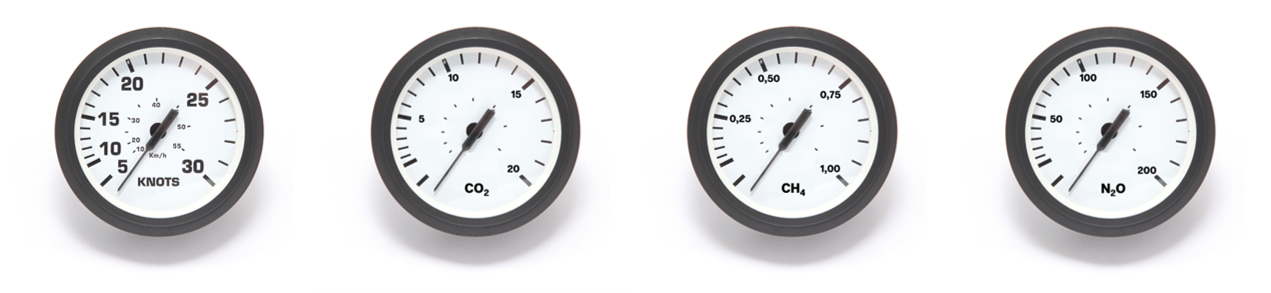
Direct, on-board monitoring of greenhouse gas emissions (CO₂, CH₄, N₂O) using maritime CEMS can reduce fuel consumption and lower carbon related costs. Replacing generic emission factors with real time measurements lets crews manage what they measure, proves true performance, and creates a fair baseline across fleets.
“What gets measured, gets managed”
Why move beyond standard emission factors?
The shipping industry faces a practical question: What can we do today - not five or ten years from now - to cut significant emissions? While future fuels are coming, actionable reductions are possible now by replacing standard emission factors with direct GHG measurements on vessels - i.e., direct emissions monitoring via maritime CEMS.
Benefits for shipowners
- Real time insight → lower fuel & emissions. Crews see how operations affect emissions and can optimize accordingly.
- Carbon cost savings. Direct measurements can document lower than assumed emissions, reducing exposure under schemes like EU ETS.
- Data that compounds. Integrate emissions data with performance KPIs to uncover patterns, verify energy saving actions, and prioritize what works.
- Commercial edge. Accurate monitoring supports Scope 3 reporting and appeals to sustainability-minded customers.
- Regulatory readiness. Early adopters align faster with evolving IMO requirements and demonstrate leadership in sustainable shipping.
"Direct measurements turn assumptions into evidence"
The limits of generic factors (and why it will get harder)
Today: Assigning single emission factors to complex realities is tough. A clear example is methane slip from LNG powered engines - slip varies significantly with engine load, so a one size factor can misrepresent real world emissions.
Tomorrow: With alternative fuels and fuel blends gaining traction, assigning accurate factors across engines, loads, and duty cycles grows even more complex.
Implication: Direct measurement provides the high fidelity, operational data needed to reflect true performance across conditions.
A level playing field for technology
Default factors can unintentionally benefit older, less efficient engines and penalize modern ones that perform better than the generic assumptions. Direct, on-board measurements ensure each vessel is assessed on its actual emissions, rewarding cleaner technology and encouraging upgrades across fleets.
“Measure what you emit - not what a spreadsheet assumes.”
A pragmatic path for regulators
For the IMO and national authorities, encouraging direct GHG monitoring (maritime CEMS) advances accuracy, transparency, and fairness. It creates a regulatory foundation that:
- Rewards innovation and operational excellence
- Scales with new fuels and propulsion technologies
- Supports credible reporting grounded in measured data
The environmental imperative: act now with data you trust
Shipowners face a choice: wait for future fuels or use direct measurements now to cut emissions and costs. While direct monitoring is not the only solution, it is a critical step that delivers immediate, verifiable impact - guiding decarbonization roadmaps with data you can trust.
Bottom line: The time for action is now. Direct emissions monitoring via maritime CEMS helps optimize operations, reduce fuel consumption, and lower emissions. Today.

Interested to learn more?
Tunable needs the contact information you provide to us to contact you about our products and services. You may unsubscribe from these communications at any time. For information on how to unsubscribe, as well as our privacy practices and commitment to protecting your privacy, please review our Privacy Policy.